

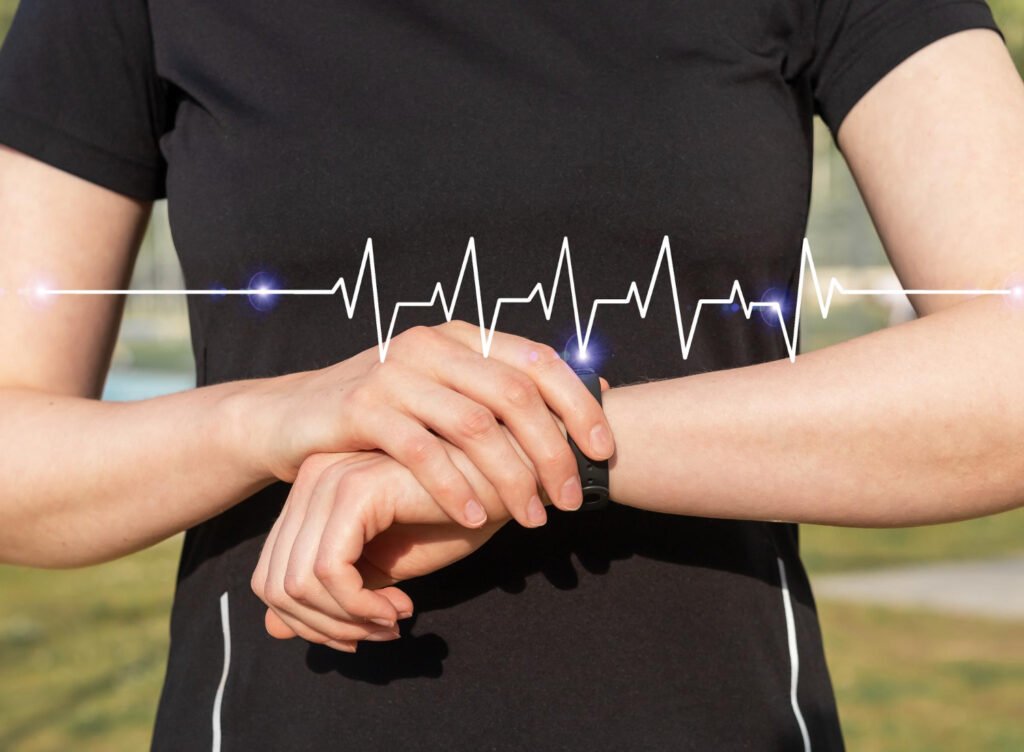
Is a simple heartbeat measurement the key to unlocking peak performance? For years, elite coaches and sports scientists have relied on heart rate variability (HRV) as a secret weapon to gauge recovery and stress. Now the secret is out: your HRV – the tiny fluctuations in time between heartbeats – may be one of the most important reflections of your overall fitness and resilience. A high HRV generally means your body is primed and recovered; a low HRV can be a warning flag for fatigue or strain. More than just a number, HRV captures the tug-of-war between stress and recovery inside you – and mastering it can take your performance to the next level.
What is HRV and Why Does It Matter?
Heart rate variability measures the variation in time between each heartbeat. Unlike a metronome, a healthy heart doesn’t tick evenly – and that’s a good thing. HRV is essentially a proxy for your autonomic nervous system. When you’re relaxed and recovered, the parasympathetic “rest and digest” system dominates, and HRV tends to be higher. When you’re stressed or overtrained, the sympathetic “fight or flight” kicks up and HRV drops as your heart rhythm becomes more monotonous. Studies have shown that higher HRV correlates with better cardiovascular fitness and resilience, whereas low HRV is often seen with fatigue, stress, or even underlying health in fact, HRV is such a sensitive marker of physiological status that it has been used to predict illness in elite athletes and even flag potential cardiac issues in clinical settings
Think of HRV as an overall stress thermometer. Two athletes might both have a morning resting heart rate of 60, but if one has a much higher HRV, it means their heart is making finely tuned adjustments beat-to-beat – a sign of a well-recovered, adaptable system. The other athlete with low HRV might be on the edge of overtraining or not fully recovered from yesterday’s workout. In performance medicine, this insight is gold. It’s like peeking under the hood of your nervous system to see how “revved up” or “cooled down” your engine is.
HRV in Training: The Edge of the Elite
It’s no wonder that Olympic teams and top biohackers alike have embraced HRV tracking. Monitoring HRV can literally guide your training schedule. An interesting finding is that HRV-guided training improves aerobic performance more effectively than rigid training plans – athletes who adjusted workouts based on daily HRV got fitter faster than those who didn’t How does this work in practice? If your HRV is trending high and steady, it’s a green light to push hard – your body is coping well with training. If your HRV is sharply down for a day or two, it can be a sign to prioritize recovery, sleep, and maybe lighter activity until you rebound.
Renowned strength scientist Dr. Andy Galpin notes that tracking HRV trends can tell an athlete when to “push forward or prioritize recovery”. For example, imagine your HRV remains suppressed for several days after a series of intense workouts; this likely means your body is in a stressed state – perhaps hormones like cortisol are high and you’re not bouncing back. A smart athlete (or coach) will taper the training load until HRV rises again, indicating recovery. On the flip side, when HRV is high, it’s often when personal records are broken – it’s a sign your nervous system is ready to let you perform at full capacity.
Even beyond athletics, HRV has implications for mental performance and focus. High performers in executive realms use HRV biofeedback to manage stress. Neuroscientist Andrew Huberman has highlighted HRV as a measure of stress resilience; for instance, practices like deliberate breathing or meditation can acutely raise HRV, reflecting a shift into a calmer state. This is biofeedback in action – you can see your relaxation techniques “working” in real time as your HRV improves.
Optimizing Your HRV – And Why PK27 Cares
The great thing about HRV is that it’s modifiable. Lifestyle changes can lead to measurable improvements in this metric. Regular aerobic exercise (especially Zone 2 cardio) is one of the best ways to elevate baseline HRV over time, indicating a stronger parasympathetic tone. (Dr. Peter Attia emphasizes Zone 2 training as foundational for cardiovascular longevity, which in turn tends to increase HRV as the heart becomes more efficient.) Quality sleep, of course, is another huge factor – a bad night’s sleep will send HRV downward the next morning, while consistent, deep sleep will keep it higher. Proper hydration, nutrition, and stress management all feed into better HRV readings.
On the flip side, things like excessive alcohol, emotional stress, or overtraining can tank your HRV. Many wearable devices nowadays will alert you if your overnight HRV is significantly lower than your norm – it’s an early warning to take it easy. Think about that: your body whispers signals of fatigue via HRV before you consciously feel the symptoms. By the time you feel “burnt out,” HRV might have been waving the yellow flag for days.
At PK27, we treat metrics like HRV as crucial feedback loops. They’re part of the data-driven personalization that defines performance medicine. When you join the program, don’t be surprised if we have you strap on an HRV monitor or use an app in the mornings – it’s because we care about hard facts over guesswork. If your HRV data suggests you’re not recovering well, our team will help pinpoint why – maybe you need a magnesium boost for your sleep, or a tweak in your training intensity, or simply more downtime. If your HRV is improving, that’s objective proof that our interventions are working, and your body is trending toward balance.
The Bottom Line: HRV is no longer just for pro athletes or data geeks. It’s a vital sign for anyone serious about peak performance and health. It encapsulates how adaptable and stress-proof you are on a given day. And the best part? You can train it and improve it. By integrating HRV monitoring into PK27’s performance program, we ensure that every client’s regimen is responsive to their body’s signals – pushing you hard when you’re strong, pulling back when you need recovery. This intelligent adjustment is what separates good training from great training. Are you paying attention to your body’s hidden signals? At PK27, we are – and it’s a game-changer for results.