

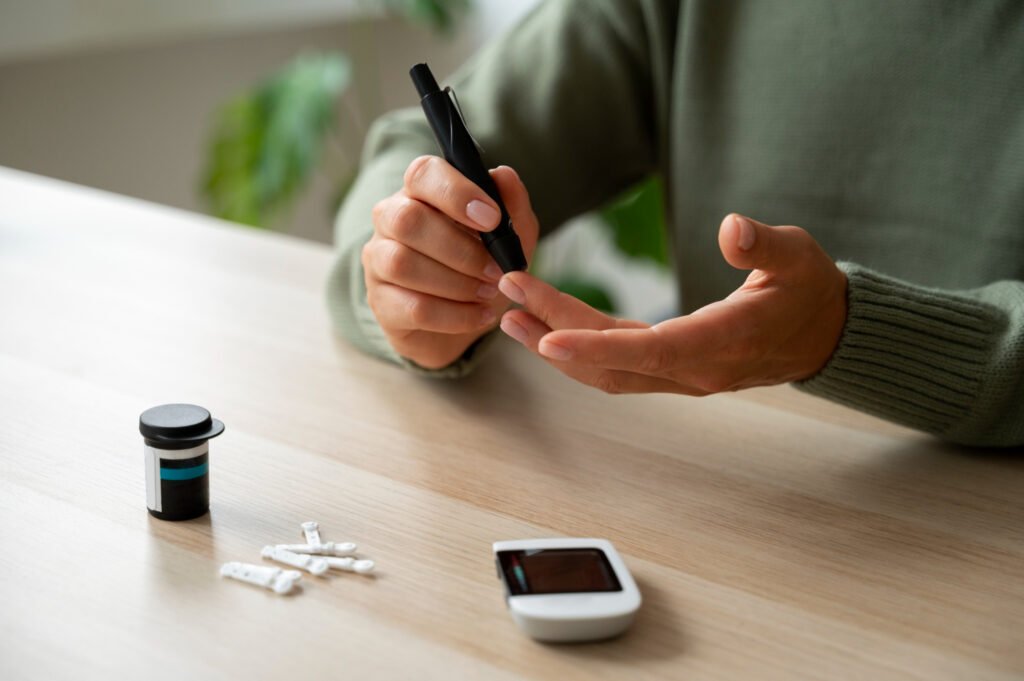
Tossing and turning at night? It might be your blood sugar. And if your blood sugar is out of whack, it might be because you skimped on sleep. Modern science is revealing a powerful two-way connection between sleep quality and blood glucose regulation. In plain terms: poor sleep can make your blood sugar levels worse, and unstable blood sugar can disrupt your sleep. This is a game-changing insight for anyone aiming for peak health and performance. It means that your 11pm cookie habit might be sabotaging your deep sleep, and that burning the midnight oil could be silently moving you toward prediabetes. For high performers – who demand consistent energy and recovery – understanding this sleep-glucose dance is critical.
How Lack of Sleep Messes with Your Metabolism
It’s Monday morning and you’ve slept only 5 hours – what happens inside? First, your body perceives a kind of stress. Hormones like cortisol go up, and insulin sensitivity goes down. By the next day, evidence shows you could be temporarily insulin resistant, meaning your cells don’t respond well to insulin and blood glucose stays higher than normal. In fact, research led by Dr. Eve Van Cauter famously demonstrated that after less than a week of sleep restriction (e.g. 5–6 hours per night), healthy young people’s blood sugar regulation looked like that of prediabetics. As Dr. Matthew Walker summarized: “after one week of short sleep, your doctor would classify you as pre-diabetic”. That’s a chilling finding – in just days, the metabolic consequences of sleep loss are profound.
Mechanistically, when you’re sleep-deprived, your pancreas doesn’t release insulin as effectively, and your muscle and fat cells become less responsive to whatever insulin is there. The result? Blood sugar remains elevated longer after you eat. Over time, chronic sleep loss can push you toward real glucose intolerance or even type 2 diabetes. It’s no coincidence that epidemiological studies find people who regularly sleep under 7 hours have a significantly higher risk of developing diabetes. Part of this is mediated by weight gain – poor sleep dysregulates appetite, often leading to overeating and weight increase – but even independent of weight, the direct impact of sleep loss on glucose control is now well-established.
For the performance-minded individual, the implication is clear: if you neglect sleep, you undermine your dietary efforts and training gains on a hormonal level. Dr. Peter Attia often emphasizes controlling blood sugar as key to longevity and metabolic health, and he equally stresses quality sleep as one of the four pillars of longevity. These aren’t separate silos – they deeply interact. One bad night can make you less efficient at fuelling your workout because your body’s in a prediabetic-like state. It can also tilt your hunger hormones (increasing ghrelin, decreasing leptin), making you crave quick carbs the next day. It’s a vicious cycle: you don’t sleep enough, so next day you crave sugar and caffeine, which if taken late can then impair the next night’s sleep, and round and around we go.
How High Blood Sugar Messes with Your Sleep
The other side of the coin: even if you do everything else right for sleep (cool, dark room, no screens, etc.), if your blood glucose is swinging wildly or running high, your sleep quality suffers. For example, imagine you eat a big dessert close to bedtime. Your blood sugar spikes, then a few hours later may crash. That crash triggers adrenaline (as the body panics about dropping sugar), which can wake you up or fragment your sleep. Or, if you go to bed with very high blood sugar, you might experience more restorative sleep and frequent urination (as the kidneys try to dump excess glucose). A study of people with type 2 diabetes found that those with higher daytime blood sugar levels reported poorer sleep quality. And tellingly, even people with prediabetic-level blood sugars are far more likely to have insomnia or disrupted sleep than those with normal levels.
There’s also the factor of late-night eating timing. The body’s circadian rhythm expects us to be active and eating in daylight and fasting and resting at night. If you regularly eat at midnight, you’re forcing your metabolic machinery to work when it should be chilling out. This can confuse the signals that help regulate sleep. Persistently elevated nighttime blood sugar (from late meals or snacks) can suppress the normal rise of melatonin (the sleep hormone) and delay sleep onset. There’s compelling new research: “late sleep onset and inadequate sleep are linked to poorer glycaemic control”, independent of total sleep time. In other words, even if you get 8 hours, if those hours start at 2am and you’ve been snacking till then, your blood sugar control suffers compared to someone on an early schedule. Metabolic health and circadian rhythm are entwined.
Furthermore, conditions like sleep apnoea (where breathing disruptions wake you frequently) are both caused by and contributors to high blood sugar. Being overweight and insulin resistant predisposes to apnoea; and having untreated apnoea, in turn, causes cortisol spikes and blood sugar elevations. It’s a destructive loop. Many patients who improve their glucose through diet find their sleep apnoea eases; similarly, those who treat their apnoea often see their blood sugar and blood pressure improve.
The Sleep-Glucose Blueprint for High Performers
Understanding this link gives us an actionable blueprint. To perform at your best, you want steady blood sugar and solid sleep – they will reinforce each other in a virtuous cycle. Here are some strategies grounded in research:
- Prioritize Consistent Sleep: Aim for 7–9 hours at roughly the same times each day. Consistency in sleep timing supports healthy insulin rhythms. One large study found that people with irregular sleep schedules had worse insulin sensitivity than those with regular schedules, even controlling for sleep duration.
- Time Your Meals Wisely: Front-load your calories earlier in the day when possible and have a lighter dinner at least 3 hours before bed. This allows insulin and blood sugar to return to baseline before you’re asleep. (Your body isn’t good at handling glucose during biological night – a meal at midnight causes a bigger glucose surge than the same meal at noon.)
- Balance Your Meals: To avoid sharp spikes and crashes, include protein, fibre, and healthy fats with your carbs. A high-fibber diet is associated with better sleep – likely because it leads to more stable glucose and also supports gut health (the gut produces many neurotransmitters for sleep). Dr. Rhonda Patrick often mentions stabilizing blood sugar through diet – e.g. adding vegetables or vinegar to reduce glucose spikes – as not only good for metabolic health but possibly helpful for sleep quality too.
- Cut Caffeine and Alcohol: Caffeine, of course, can disrupt sleep if taken too late. But it also transiently raises blood glucose (by causing adrenaline release). Keep it to morning or early afternoon. Alcohol is even worse for the sleep-glucose combo: it’s basically liquid sugar plus a REM sleep suppressant. If you’re going to drink, moderate and try to have it earlier in the evening with food.
- Use Tech and Data: Consider using a continuous glucose monitor (CGM) for a couple weeks to see how your daily habits affect your sugar. You might discover that a particular late snack spikes you more than you thought, or that stress at work keeps your glucose elevated. Coupled with a sleep tracker, you can literally see nights where a flat glucose line corresponds to deep, uninterrupted sleep, versus nights where glucose rollercoasters and you toss and turn. Biohacker Bryan Johnson wears a CGM 24/7 and notes that keeping an extremely steady blood sugar not only benefits his physical health markers but also subjectively improves his sleep and recovery. High performers love data – and here the data can directly guide better habits.
- Wind Down to Wind Up (Your Recovery): Employ a calming pre-bed routine to get cortisol down (high nighttime cortisol from stress will raise glucose and fragment sleep). This could be reading, gentle stretching, or meditation. Lowering ambient light and keeping your bedroom cool (around 18°C/65°F) can also improve sleep depth, which in turn benefits hormonal regulation of glucose.
At PK27, we think of this as aligning your biological rhythms. We help clients implement these strategies in practical, personalized ways – because saying “sleep more and eat earlier” is easy, doing it in real life is hard. Our performance medicine program might use tools like overnight HRV monitors and CGM data to identify when a client’s lifestyle is out of sync. We’ve had clients realize, for instance, that their habit of answering emails at midnight while munching snacks was a double metabolic whammy – spiking stress and sugar. Once we helped them structure a healthier evening routine, their sleep improved, and their fasting glucose dropped by several points. The result: better mood, easier fat loss, stronger training performance. These are the tangible wins when you get this link right.
The Bottom Line: Great sleep and stable blood sugar are two sides of the same coin for peak performance. You simply won’t reach your potential if one is lagging. The science is shouting this loud and clear: sleep less, and you’ll struggle with glucose; mess up your glucose, and you’ll struggle with sleep. But the flip side is incredibly encouraging – fix one, and you often improve the other. It’s a virtuous cycle waiting to be activated.
So, ask yourself, are you stuck in the vicious loop or ready for the virtuous one? At PK27, we have the expertise to break the bad cycle and kickstart the good. Imagine waking up each day with steady energy, no afternoon crashes, and knowing that your body’s recovery systems are in full gear because you honoured your sleep. That’s the high-trust, intelligent approach we offer – grounded in clinical facts, not fads. If you’re serious about optimizing every aspect of your wellness and performance, you can’t ignore the sleep-glucose connection. We don’t – and our clients reap the rewards. It might challenge you to change some habits, but the results will challenge everything you thought you knew about feeling and performing at your best. Consider this your wake-up call (or perhaps your go-to-sleep call): get on top of your sleep and metabolism now, or risk mediocrity. We know what choice the true high performers will make – and PK27 is here to help make it happen.